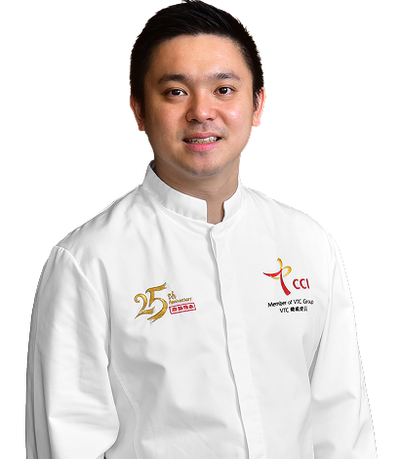
I want my cooking to embody the same love that went into my mother’s cooking.
Sze Chiu-kwan
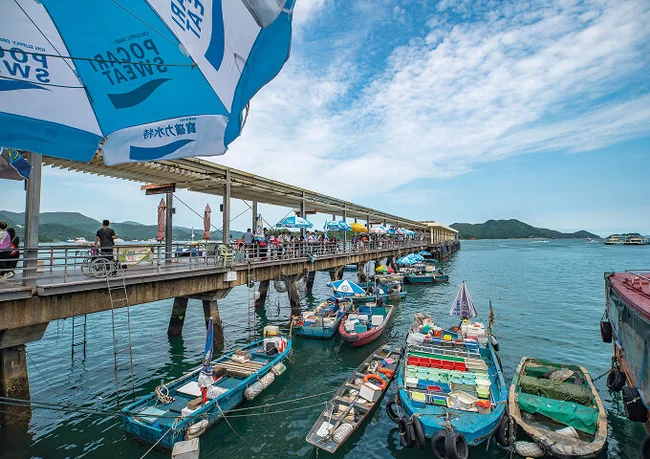
Freshness is both a discipline and an art form for Sai Kung’s restaurants. Loaf On Cuisine has spent 16 years cooking only what arrives that morning, letting same-day seafood dictate its menu. Lai De Hao’s signature noodles in Singapore-style shrimp soup showcase daily-fresh seafood in bold, authentic flavours, while CUÍT celebrates unadulterated flavour through slow-fermented sourdough. Sai Kung Cafe & Bakery and WARM BREAD’s pastries, and Chuen Kee Seafood Restaurant’s live-seafood classics, capture a shared gusto for quality ingredients.
Sai Kung’s story is renewed with every sunrise, shaped by knowing the right moment to catch, cook and serve, and by a lasting respect for nature that continues to define its culinary landscape.
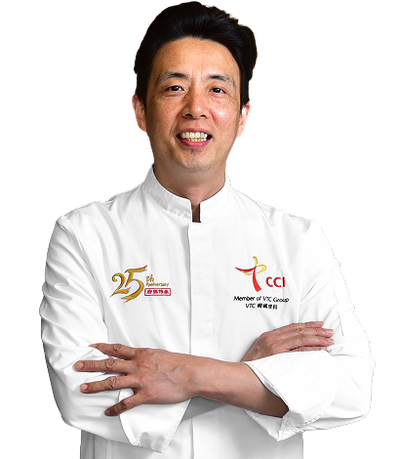
My grandfather and dad were both chefs, those exquisite childhood flavours shaped my love for cooking.
Yuen Pak-fan