
Each culinary style offers unique experiences. I aim to uphold ‘tradition without stagnation, innovation without forgetting our roots’.
Chen Wing-hon
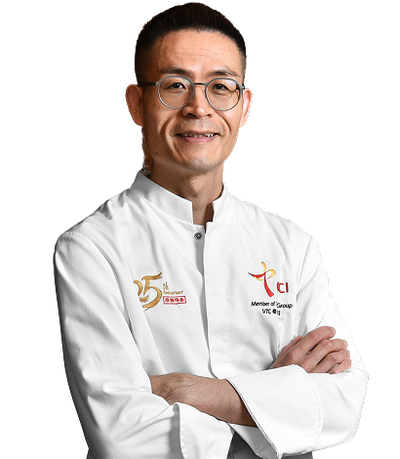

With fierce competition everywhere, chefs often find inspiration to improve on existing concepts, polishing their own skills and perfecting recipes to become better, if not only different from its original forms. Chef Chen Wing-hon, with three decades in Chinese restaurant kitchens and currently the head chef at HeyDay Cuisine, took his time learning the fundamentals of the traditional Chinese barbecues — the how-tos, and familiarity with the ingredients — to become a published author and practising chef who mentors young blood into exercising creativity where it’s needed.
The chef believes fundamental knowledge brings structure and background to cuisine, and upon understanding can one build new forms out of the original forms. Restaurants like Le Vow and Royal China Pearl are precise examples of such understanding, by improving traditional dim sum and their designs — Royal China Pearl reinvented the ‘handbag pastry’ in the style of a Wagyu beef puff, while siu mai dumplings now feature a soft quail egg at Le Vow. The transformative nature of these improved dim sum offers more than just observing traditions, but honouring them as they are and creatively offering them a new life with a new form.
Similarly, restaurants like Ox Steak Lounge are perfecting the steakhouse concept, offering tasting menus that showcase the cut of steak. A fine execution of steak shows how well chefs understand the basics and control the time and heat. Tai Po’s dining scene proves that great food thrives where tradition meets innovation, inviting every visitor to savour the district’s unique culinary soul.