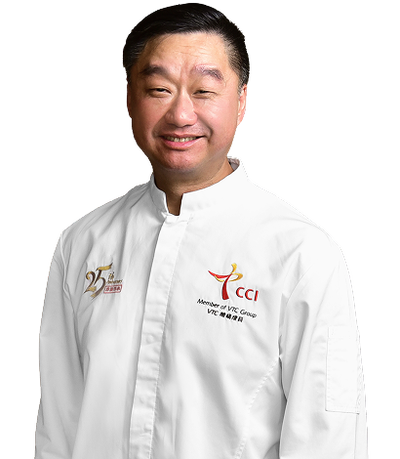
It is easy to learn Chinese cooking, but tough to master, traditionally passed down through a master-apprentice relationship. I aim to preserve this culture through written documentation and systematic methods.
Lee Man-sing

Chef Lee Man-sing of Mott 32 has been instrumental in shaping Hong Kong’s food culture. A veteran in the kitchen and in managing his team, Lee believes strongly in preserving traditions above all. “It is easy to learn Chinese cooking, but tough to master, traditionally passed down through a master-apprentice relationship. I aim to preserve this culture through written documentation and systematic methods,” he says.
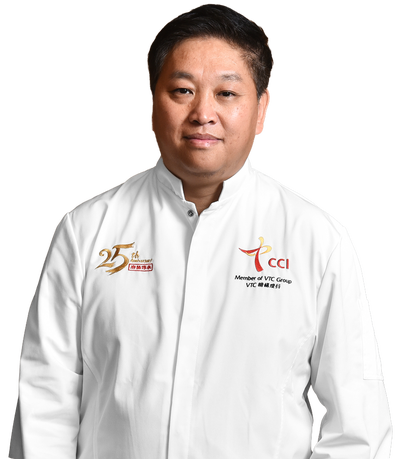
Similarly, Chef Wong Wing-keung of Man Wah at Mandarin Oriental Hong Kong has built his culinary journey with passion burning bright. Wong embraces traditions in creating novelties that blend old and new elements, borrowing characteristics from East and West – as The Chinese Library does with its innovative take on Chinese cuisine, adding Western techniques and ingredients to refine regional dishes and enrich the dining experience for current and future generations.
Chinese cooking varies by region and history, and creations may be innovative, but traditions have a place in history and heritage – not to mention they inspire new offerings. Institutions like Luk Yu Tea House hold dim sum traditions to high standards, not only in aesthetic forms such as paper menus and old brass teapots, but also in traditional preparation methods. Similarly, L’Atelier de Joël Robuchon represents excellence in Western fine dining, setting the standard for restaurants aiming for the glamour of French gastronomy and its timeless classics.
Every time a guest smiles in satisfaction, I feel motivated to do better in my work.
Wong Wing-keung